

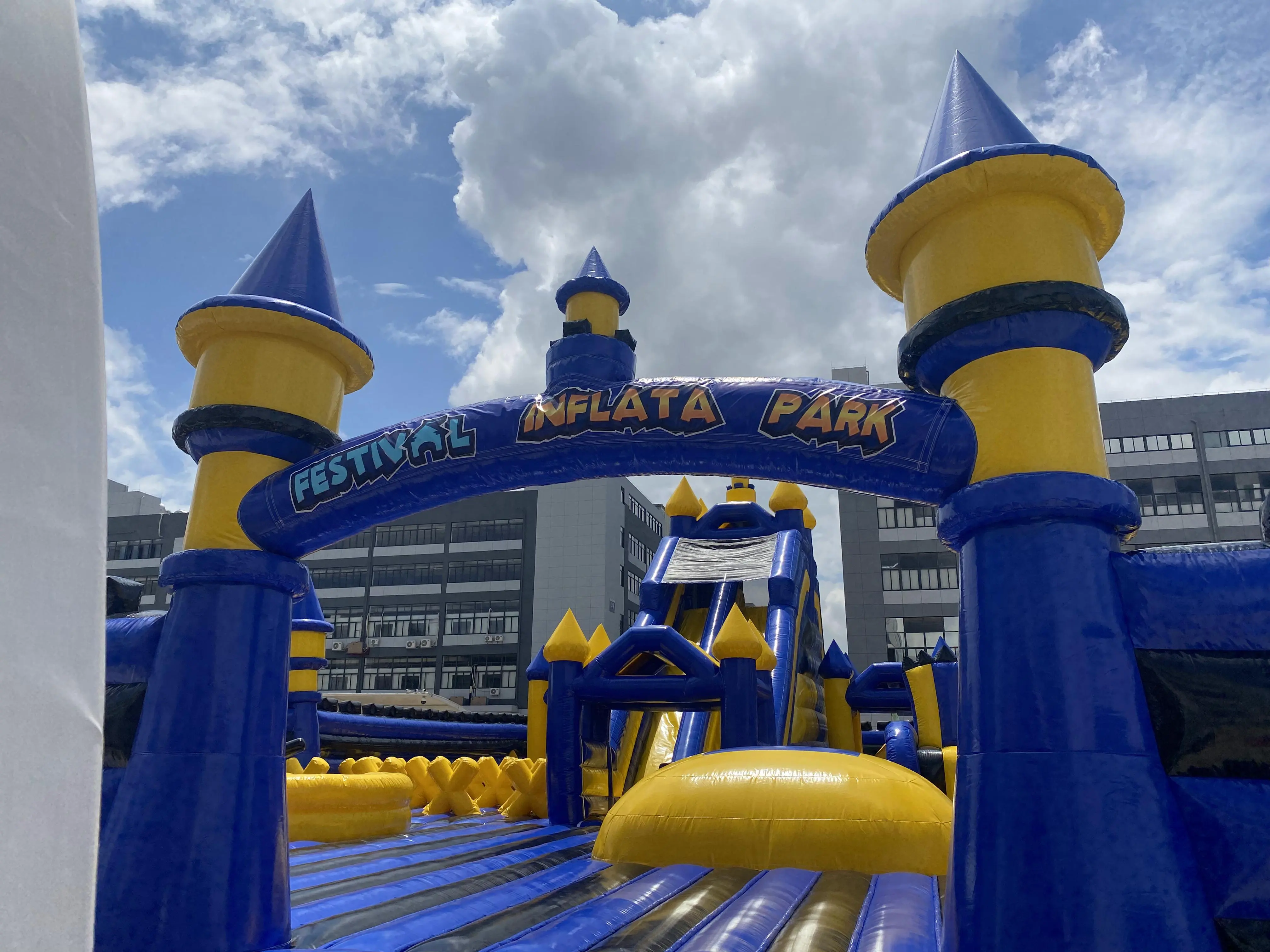
Updated for 2026. The best inflatable rental equipment is not necessarily the largest attraction in a catalog. A profitable fleet balances customer demand with transport volume, setup labor, venue requirements, throughput, cleaning time, staffing and the number of bookable event types.
This guide compares water attractions, obstacle courses, team games, sports challenges, land parks and event tents from an operator’s perspective. It also provides a practical scorecard for choosing products that fit a rental company’s market and crew.
Start with Booking Segments
Review the last year of inquiries by school, festival, corporate event, birthday, resort, municipality and brand activation. Identify average venue size, budget, event duration and seasonal gaps. A product that serves three profitable segments can be more valuable than a spectacular unit requested once. Talk to repeat clients about unmet needs, but validate interest with deposits or pilot bookings before committing to a major fleet expansion.
For event rental companies building or refreshing a commercial fleet, this decision should be tied to written acceptance criteria. Review the relevant commercial inflatable product range, record assumptions, assign an owner and confirm how the choice affects inflatable rental equipment, operating labor, guest flow and future expansion. Evidence at this stage is less expensive than correction after production or installation.
Water Attractions for Seasonal Demand
Water slides and splash products can generate strong summer interest, especially where venues lack permanent water entertainment. Evaluate water supply, drainage, surface protection, guest changing needs and local rules. Products with different challenge levels can create family packages. A slide with an integrated pool may suit controlled venues, while other layouts need site-specific planning. Build weather cancellation and drying time into utilization assumptions.
For event rental companies building or refreshing a commercial fleet, this decision should be tied to written acceptance criteria. Review the relevant inflatable water slide with pool, record assumptions, assign an owner and confirm how the choice affects inflatable rental equipment, operating labor, guest flow and future expansion. Evidence at this stage is less expensive than correction after production or installation.
Obstacle Courses and Land Parks
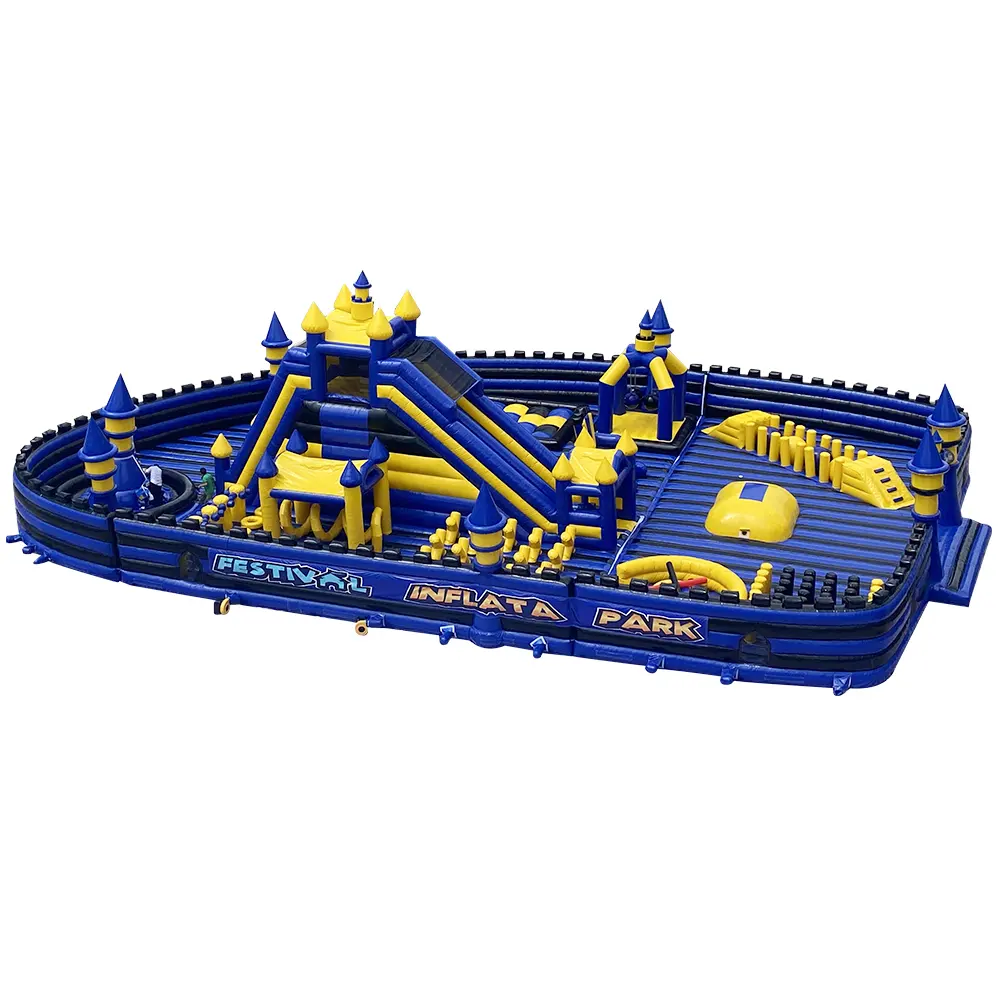
Obstacle courses support schools, festivals and corporate races because they create visible participation and repeat runs. Compare packed volume, section count, setup method, staffing and how the layout fits common venues. Modular components can create different package sizes, but connections and operating instructions must remain clear. Themed land parks can command attention at larger events when transport and crew capacity support them.
For event rental companies building or refreshing a commercial fleet, this decision should be tied to written acceptance criteria. Review the relevant commercial inflatable land parks, record assumptions, assign an owner and confirm how the choice affects inflatable rental equipment, operating labor, guest flow and future expansion. Evidence at this stage is less expensive than correction after production or installation.
Interactive Sports and Team Games
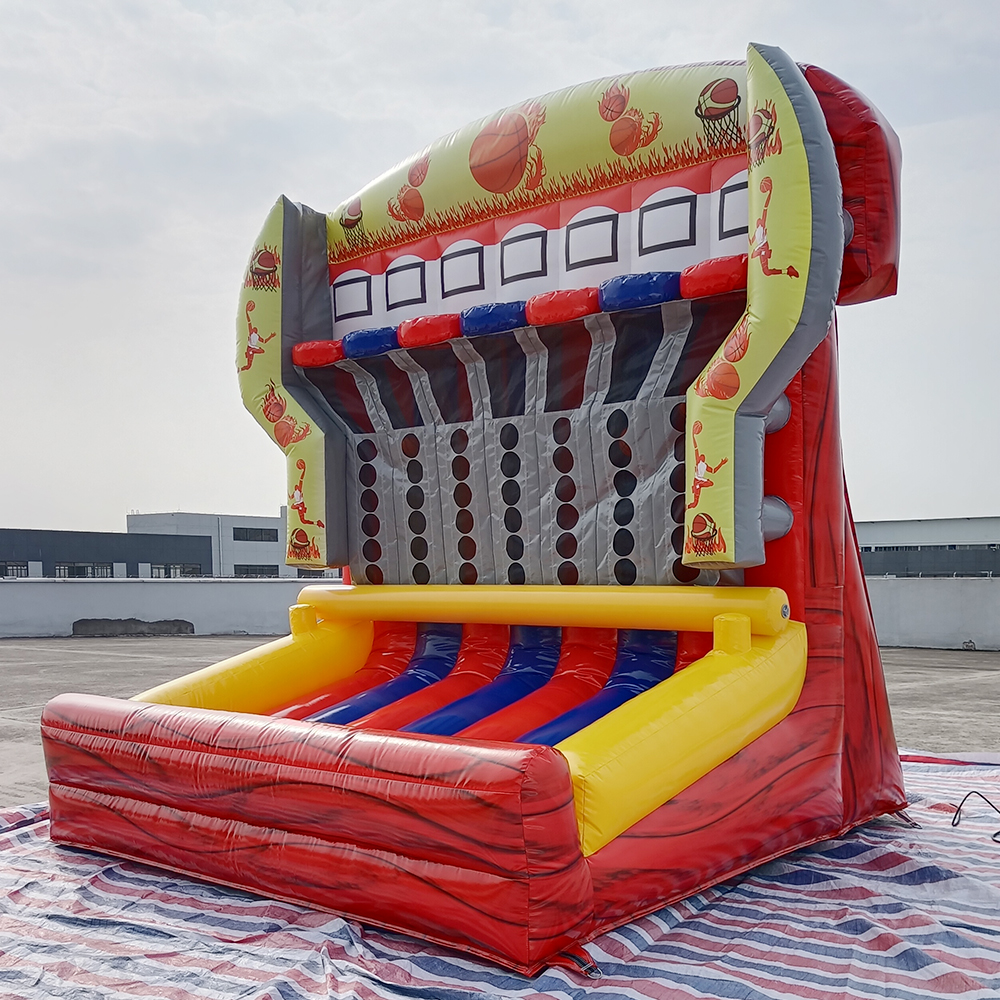
Basketball, soccer dart and team-building challenges are useful when buyers need short-turn activities with clear scoring. They can work as add-ons, tournament stations or corporate packages. Assess ball containment, queue area, user reset time and the ease of explaining rules. A portfolio of compact games can serve indoor and outdoor events and reduce dependence on one high-capital attraction.
For event rental companies building or refreshing a commercial fleet, this decision should be tied to written acceptance criteria. Review the relevant inflatable team-building games, record assumptions, assign an owner and confirm how the choice affects inflatable rental equipment, operating labor, guest flow and future expansion. Evidence at this stage is less expensive than correction after production or installation.
Inflatable Tents and Branded Structures
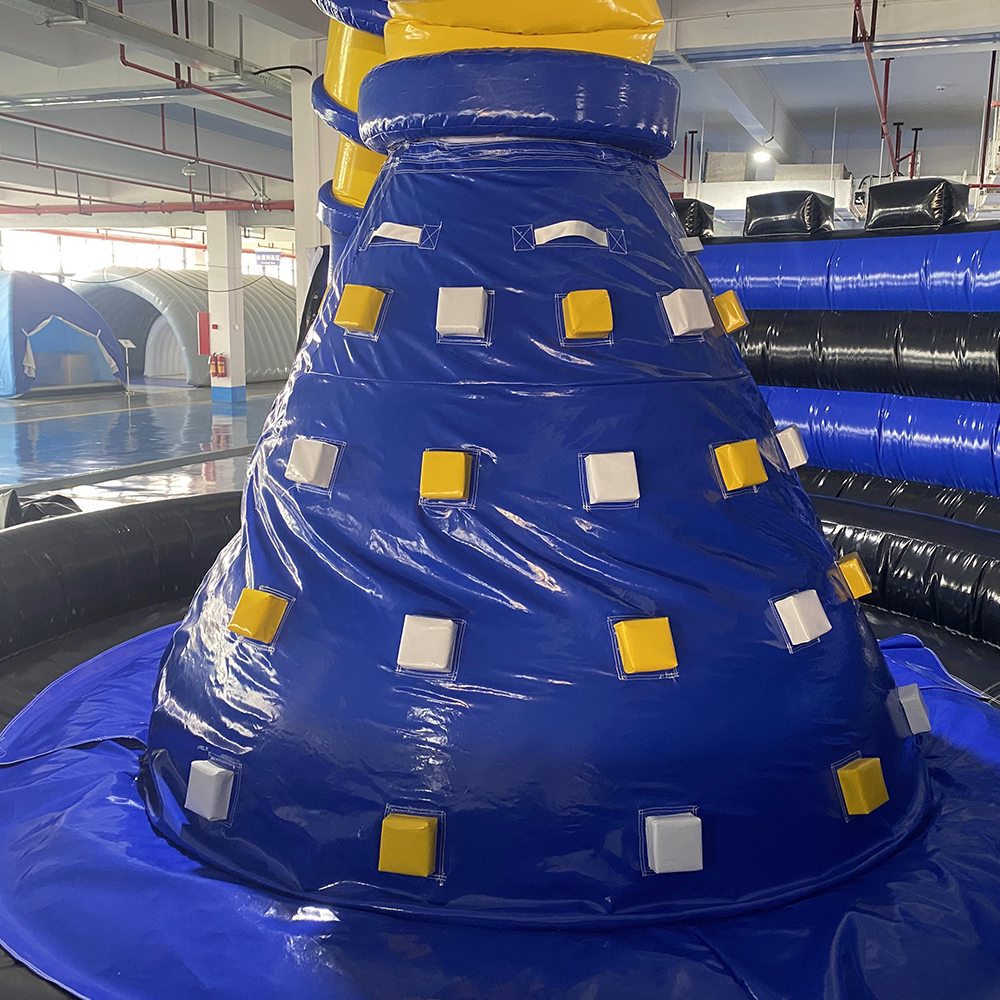
Event tents can expand a rental company beyond play into registration, hospitality, exhibition and brand activation. Buyers should evaluate weather suitability, anchoring, access, ventilation, lighting, emergency routes and local temporary-structure requirements. Branding can increase value for agencies and sponsors. Keep structure rental procedures distinct from amusement operation and verify the rules that apply at each venue.
For event rental companies building or refreshing a commercial fleet, this decision should be tied to written acceptance criteria. Review the relevant giant inflatable event tents, record assumptions, assign an owner and confirm how the choice affects inflatable rental equipment, operating labor, guest flow and future expansion. Evidence at this stage is less expensive than correction after production or installation.
Score the Operational Fit
For each candidate, calculate revenue per booking alongside delivery distance, crew hours, cleaning, drying, storage, repairs and missed opportunity for the vehicle. Record required utilities and minimum site conditions in the sales system so unsuitable bookings are filtered early. Standard packages, checklists and photographs reduce setup errors. Track utilization, contribution after direct labor, incident reports and repair downtime by asset.
For event rental companies building or refreshing a commercial fleet, this decision should be tied to written acceptance criteria. Review the relevant contact the project team, record assumptions, assign an owner and confirm how the choice affects inflatable rental equipment, operating labor, guest flow and future expansion. Evidence at this stage is less expensive than correction after production or installation.
Decision Table
| Attraction type | Strong event fit | Operational priority |
|---|---|---|
| Water slide | Summer festivals and resorts | Water, drainage and drying |
| Obstacle course | Schools and corporate races | Throughput and venue length |
| Land park | Large family events | Transport and setup crew |
| Sports game | Fairs and add-on packages | Queue and fast reset |
| Team game | Corporate and youth programs | Facilitation and scoring |
| Event tent | Brands, registration, hospitality | Anchoring and structure rules |
Commercial Planning Notes
Commercial value should be measured over the operating cycle. Consider utilization, labor, transport or site preparation, maintenance, storage, downtime and the ability to adapt the attraction to changing demand. A headline price or visual rendering cannot answer these questions. Use a scorecard with weighted criteria and require the evaluation team to explain important differences.
The final decision should be understandable to operations as well as procurement. Invite the people responsible for setup, supervision, cleaning, repairs and guest service into the review before approval. Their questions often reveal missing accessories, unrealistic timings or layout constraints while they are still easy to address.
Before signing a purchase order, run a final readiness review. Confirm the current drawing revision, dimensions, colors and artwork, product specification, included accessories, delivery basis, packed volume, schedule assumptions, site responsibilities, acceptance method, documentation, training and after-sales route. List exclusions explicitly. Where local permits, engineering, maritime rules, amusement regulations, insurance or safety standards apply, obtain advice from qualified professionals in the destination market and verify current requirements.
Use the download the product catalog to prepare initial options, review the frequently asked questions for common project questions and keep the after-sales support page available for post-delivery planning. These resources support the buying process, but the final solution must always be confirmed against the actual site, equipment and intended operation.
Frequently Asked Questions
What should a rental company buy first?
Choose equipment that matches demonstrated local demand, available vehicles, storage, crew and venue types. A versatile mid-scale attraction may be a better first asset than a complex unit that exceeds operating capacity.
How should rental ROI be calculated?
Use contribution after delivery, setup, staff, cleaning, utilities, commissions, maintenance and cancellations. Divide by the full capital and launch cost, and test conservative utilization rather than using every calendar weekend.
Are modular inflatables useful for rental fleets?
They can create multiple package sizes and simplify partial replacement, but the crew needs clear connection, anchoring and inventory procedures. Confirm that every approved configuration is documented.
What information should be collected before accepting a booking?
Collect site dimensions, surface, access, power and water availability, anchoring options, audience, expected attendance, schedule, local permissions and an on-site decision-maker.
Plan Your Project with ZR Inflatable
ZR Inflatable supports custom commercial inflatable projects for international buyers. To receive a relevant concept and quotation, send the project location, site dimensions, water or ground conditions, target users, expected capacity, preferred product types, branding requirements, destination and target opening date. contact the project team to begin a project discussion.
Important: This article provides general commercial planning information. It does not replace product instructions, a site-specific risk assessment, local legal requirements, insurer conditions or professional engineering and safety advice.
