

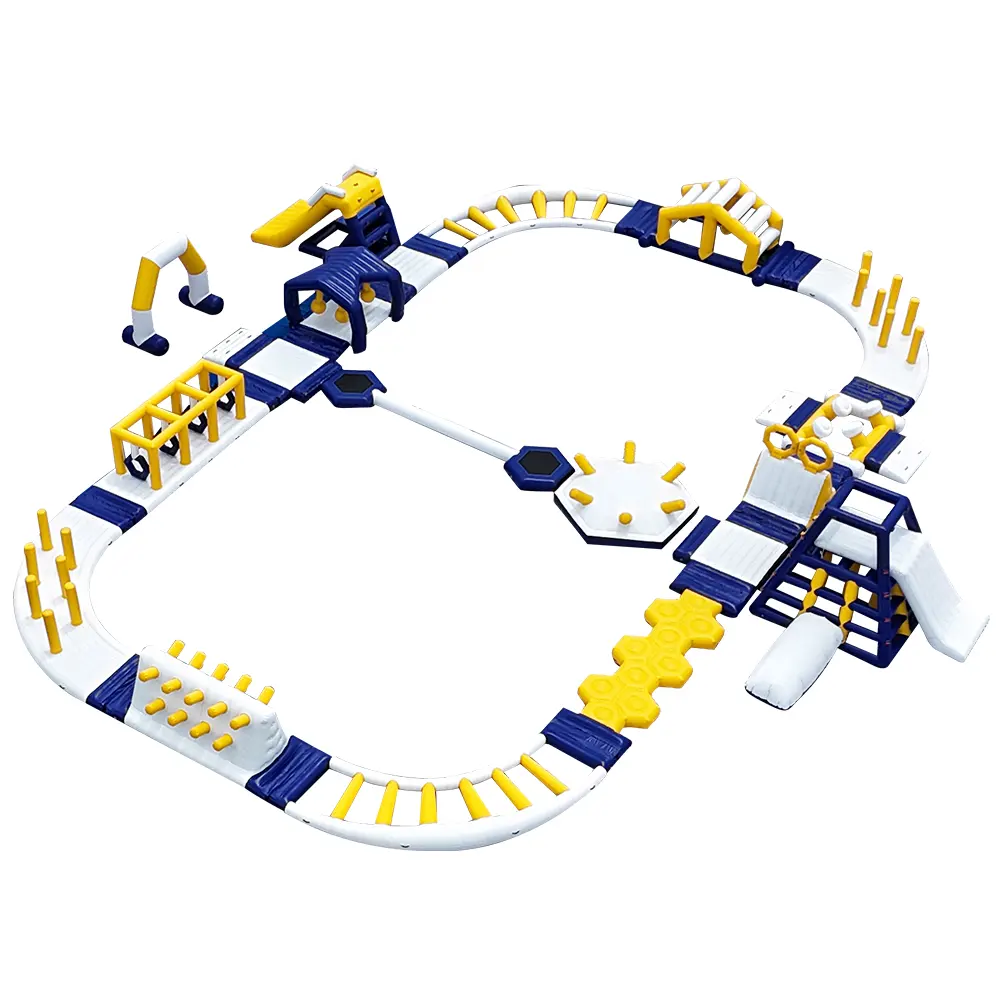
Updated for 2026. Inflatable water park safety depends on a system of controls working together: an appropriate site, correctly installed equipment, trained staff, enforced capacity, weather decisions, inspections and a rehearsed emergency plan. No single product feature or checklist can replace competent local risk assessment.
Use this guide as a management framework when building site-specific procedures. It is not legal or engineering advice. Operators must follow current product instructions, applicable laws, local authority requirements, insurer conditions and advice from qualified professionals in the destination market.
Complete a Site-Specific Risk Assessment
Document water depth, bottom conditions, currents, tides, waves, wake, wind exposure, visibility, access and seasonal variation. Identify nearby boat traffic, underwater hazards and environmental restrictions. Assess each guest route from check-in to shore return. Review the plan whenever the layout, water level, operating season or guest profile changes. Record the responsible person and review date so the risk assessment remains an active control.
For water park operators, resort managers and safety teams, this decision should be tied to written acceptance criteria. Review the relevant water park safety buying guide, record assumptions, assign an owner and confirm how the choice affects inflatable water park safety, operating labor, guest flow and future expansion. Evidence at this stage is less expensive than correction after production or installation.
Verify Installation and Anchoring
Install the park according to approved project information and product instructions. Anchoring is site-specific: loads, water conditions, bottom type, local rules and the complete layout affect the solution. Use qualified specialists where required and inspect connections on a defined schedule. Keep an installation record, diagrams and any validation documents available to supervisors. Do not operate when the installation condition is uncertain.
For water park operators, resort managers and safety teams, this decision should be tied to written acceptance criteria. Review the relevant commercial inflatable water parks, record assumptions, assign an owner and confirm how the choice affects inflatable water park safety, operating labor, guest flow and future expansion. Evidence at this stage is less expensive than correction after production or installation.
Control Admission, Capacity and Guest Briefing
Define age, height, swimming ability and health restrictions appropriate to the venue and applicable rules. Provide correctly sized buoyancy aids when required and explain permitted movement, slide behavior, spacing and prohibited actions. Capacity controls should apply to the park and to individual modules or zones. Use a reliable counting method and stop entry before congestion reduces supervision or safe movement.
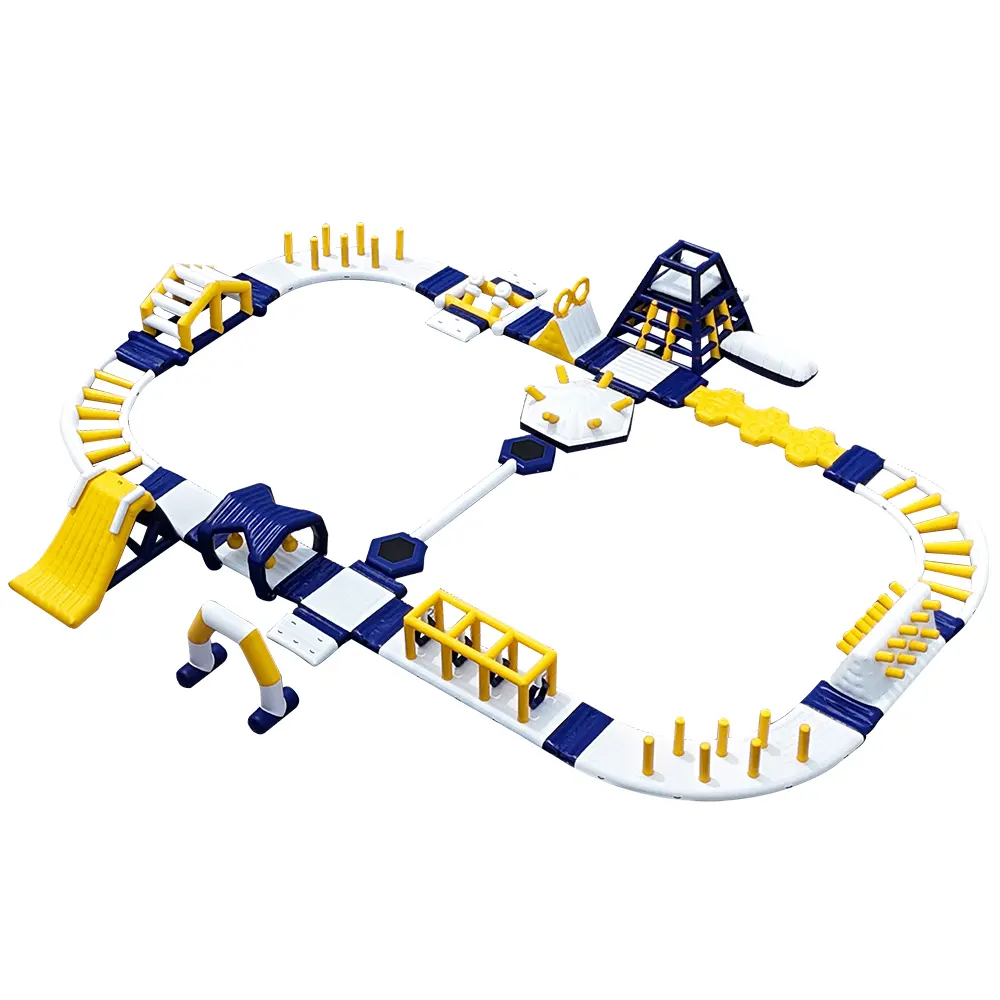
For water park operators, resort managers and safety teams, this decision should be tied to written acceptance criteria. Review the relevant modular water park example, record assumptions, assign an owner and confirm how the choice affects inflatable water park safety, operating labor, guest flow and future expansion. Evidence at this stage is less expensive than correction after production or installation.
Inspect Before Opening and Throughout the Day
A pre-opening check should cover pressure, seams, surfaces, connectors, anchors, access points, entrapment risks, debris and required safety equipment. Repeat checks after weather changes, unusual loading, relocation or a reported impact. Remove a suspect area from service until it has been assessed. Use written records that identify the inspector, time, finding and corrective action rather than relying on memory.
For water park operators, resort managers and safety teams, this decision should be tied to written acceptance criteria. Review the relevant accident-prevention guide, record assumptions, assign an owner and confirm how the choice affects inflatable water park safety, operating labor, guest flow and future expansion. Evidence at this stage is less expensive than correction after production or installation.

Monitor Weather and Water Conditions
Set measurable monitoring, closure and evacuation rules using product guidance, local requirements and professional assessment. Assign one role to observe forecasts and current conditions during operation. Wind, lightning, storms, poor visibility, changing water level or strong current can require closure even when guests want to continue. Staff must have authority to act early, communicate clearly and prevent re-entry until reopening criteria are met.
For water park operators, resort managers and safety teams, this decision should be tied to written acceptance criteria. Review the relevant after-sales support, record assumptions, assign an owner and confirm how the choice affects inflatable water park safety, operating labor, guest flow and future expansion. Evidence at this stage is less expensive than correction after production or installation.
Prepare and Rehearse Emergency Response
Plan for injury, missing guest, sudden weather, deflation, anchor concern, fire or electrical issue, and evacuation. Define alarms, communication channels, first-aid resources, emergency service access and accountability after evacuation. Practice scenarios before opening and at intervals during the season. Review incidents and near misses without blame, identify root causes and update training or procedures. Emergency plans work only when the team can execute them under pressure.
For water park operators, resort managers and safety teams, this decision should be tied to written acceptance criteria. Review the relevant contact the project team, record assumptions, assign an owner and confirm how the choice affects inflatable water park safety, operating labor, guest flow and future expansion. Evidence at this stage is less expensive than correction after production or installation.
Decision Table
| Control point | Before opening | During operation |
|---|---|---|
| Site | Confirm conditions and exclusion areas | Watch water and access changes |
| Equipment | Inspect pressure, surfaces and connections | Isolate defects immediately |
| Guests | Apply admission rules and briefing | Control capacity and behavior |
| Staff | Assign zones and communication | Rotate while preserving coverage |
| Weather | Review forecast and thresholds | Monitor and act on triggers |
| Emergency | Check equipment and access | Record, respond and review |
Commercial Planning Notes
A strong procurement process moves from requirements to evidence, then from evidence to a controlled decision. Keep the commercial proposal, drawings, product specifications, operating assumptions and responsibility matrix aligned. If one document changes, review the others. This discipline helps the owner convert safety intentions into documented daily operating controls without creating gaps between sales, production and on-site operations.
Build the project in phases: feasibility, concept, specification, production, delivery, commissioning and review. Each phase should have a named approver and an exit condition. That structure does not slow a project; it prevents late surprises from consuming the opening schedule. It also creates a reliable record for training, maintenance, insurance discussions and future expansion.
Before signing a purchase order, run a final readiness review. Confirm the current drawing revision, dimensions, colors and artwork, product specification, included accessories, delivery basis, packed volume, schedule assumptions, site responsibilities, acceptance method, documentation, training and after-sales route. List exclusions explicitly. Where local permits, engineering, maritime rules, amusement regulations, insurance or safety standards apply, obtain advice from qualified professionals in the destination market and verify current requirements.
Use the download the product catalog to prepare initial options, review the frequently asked questions for common project questions and keep the after-sales support page available for post-delivery planning. These resources support the buying process, but the final solution must always be confirmed against the actual site, equipment and intended operation.
Frequently Asked Questions
How often should a water park be inspected?
Follow the manufacturer’s instructions, local requirements and the site risk assessment. At minimum, operators need a documented pre-opening process plus additional checks after material changes, unusual events or reported defects.
Can a generic anchor plan be reused at another site?
Do not assume so. Water depth, bottom type, exposure, layout and local requirements can change the loads and installation method. Obtain site-specific professional confirmation where required.
Who decides when to close for weather?
The operating plan should name an authorized decision-maker and objective triggers based on applicable requirements, product information and site assessment. Staff should not wait for conditions to become dangerous.
What records should operators keep?
Retain installation information, risk assessments, staff training, daily inspections, maintenance, repairs, weather closures, incidents, near misses and corrective actions according to legal and insurer requirements.
Plan Your Project with ZR Inflatable
ZR Inflatable supports custom commercial inflatable projects for international buyers. To receive a relevant concept and quotation, send the project location, site dimensions, water or ground conditions, target users, expected capacity, preferred product types, branding requirements, destination and target opening date. contact the project team to begin a project discussion.
Important: This article provides general commercial planning information. It does not replace product instructions, a site-specific risk assessment, local legal requirements, insurer conditions or professional engineering and safety advice.
