

Updated for 2026. An inflatable yacht slide can transform a vessel call or waterfront stay into a memorable guest experience, but it must be designed around the actual deck, attachment points, freeboard, water access and crew workflow. Choosing from an attractive photo without vessel data creates avoidable fit and operating risks.
This buyer guide covers the information a manufacturer needs, the trade-offs between size and handling, and the questions commercial operators should resolve before ordering a custom inflatable yacht slide.
Measure the Vessel and Deployment Area
Provide deck height above the water at the intended operating condition, available deck footprint, rail and obstruction details, attachment locations, launch path and retrieval path. Photographs and general vessel length are not enough. Mark windows, antennas, tenders, exhausts and guest circulation. Consider tide, load and freeboard changes. The manufacturer should confirm a dimensioned interface concept before final production approval.
For yacht charter companies, superyacht managers and waterfront resorts, this decision should be tied to written acceptance criteria. Review the relevant inflatable yacht slide collection, record assumptions, assign an owner and confirm how the choice affects inflatable yacht slide, operating labor, guest flow and future expansion. Evidence at this stage is less expensive than correction after production or installation.
Choose Slide Geometry for Guests and Crew
Slide length, slope, lane width, entry platform and side structure influence ride character, packed size and handling. A dramatic slide may demand more deck space, inflation time and crew effort than a charter schedule can support. Define the guest profile and desired experience, then balance visual impact with manageable deployment. Discuss how users reach the entry and return safely to the vessel or support platform.
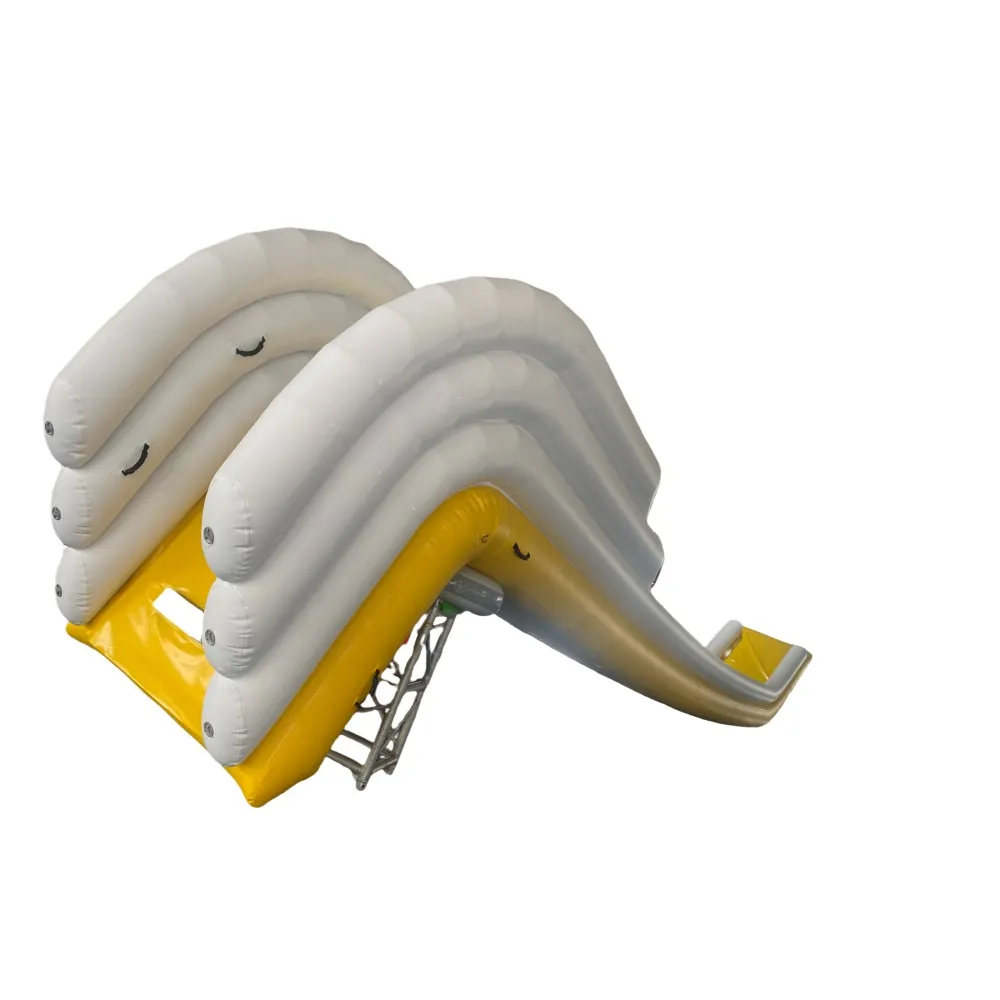
For yacht charter companies, superyacht managers and waterfront resorts, this decision should be tied to written acceptance criteria. Review the relevant yacht slide model 01, record assumptions, assign an owner and confirm how the choice affects inflatable yacht slide, operating labor, guest flow and future expansion. Evidence at this stage is less expensive than correction after production or installation.
Define Attachment and Site Conditions
Attachment is vessel- and product-specific. Supply information about approved fixing points and consult qualified vessel professionals where required. Operating conditions may include wind, waves, wake, current and saltwater; establish limits and a decision process for deployment and recovery. The slide should never obstruct critical equipment, escape routes or crew operations. Document the setup sequence and responsible roles.
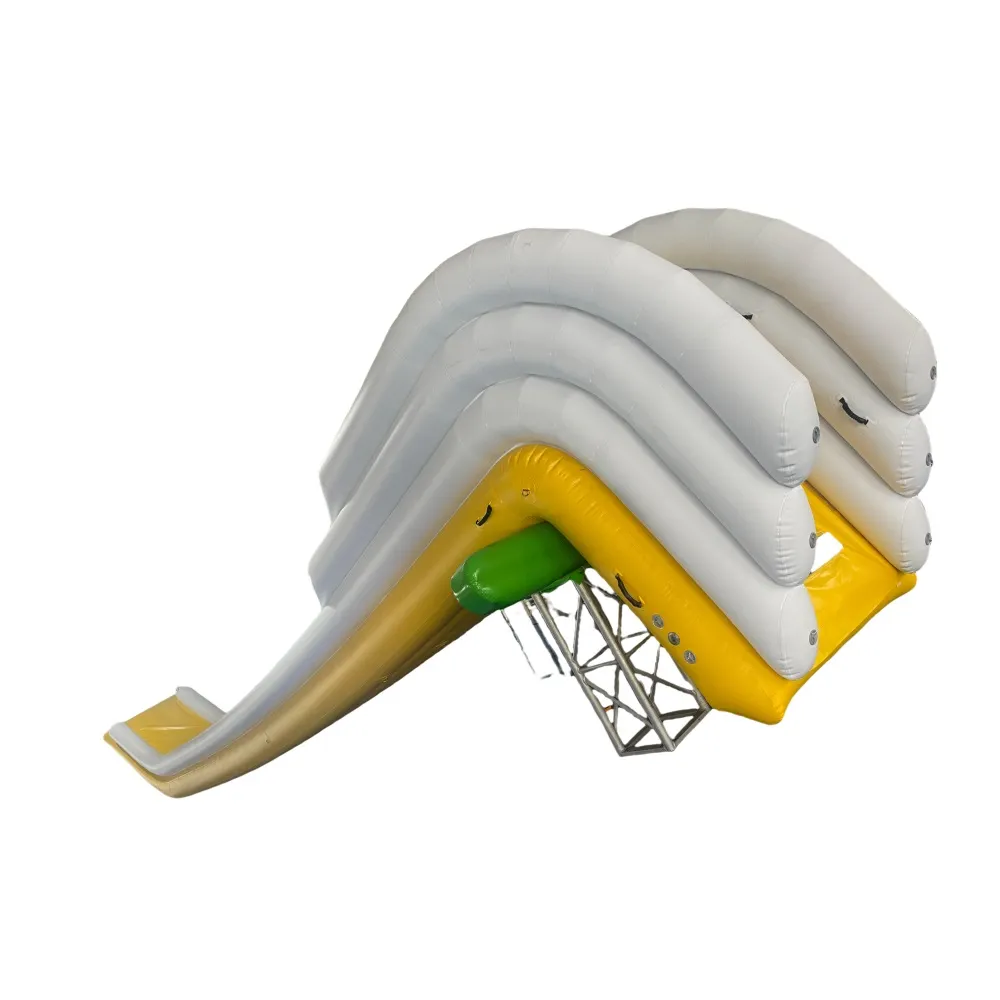
For yacht charter companies, superyacht managers and waterfront resorts, this decision should be tied to written acceptance criteria. Review the relevant yacht slide model 05, record assumptions, assign an owner and confirm how the choice affects inflatable yacht slide, operating labor, guest flow and future expansion. Evidence at this stage is less expensive than correction after production or installation.
Plan Inflation, Handling and Storage
Confirm the inflation equipment, electrical compatibility, expected setup sequence, number of crew involved and deflation method. Ask for packed dimensions and weight so the yacht can allocate a real storage position. The path between storage and deployment matters as much as the final footprint. Include protective covers, lifting or handling provisions where appropriate, and a drying plan before long-term packing.
For yacht charter companies, superyacht managers and waterfront resorts, this decision should be tied to written acceptance criteria. Review the relevant dock and yacht toy islands, record assumptions, assign an owner and confirm how the choice affects inflatable yacht slide, operating labor, guest flow and future expansion. Evidence at this stage is less expensive than correction after production or installation.
Specify Finish, Branding and Accessories
Custom colors and logos can align the slide with a charter brand or resort identity. Review artwork scale, contrast and viewing direction from water and shore. Confirm whether attachment accessories, inflation equipment, repair materials, storage bag and instructions are included. If the slide integrates with a floating dock or toy island, approve the connection and complete guest route as one system.
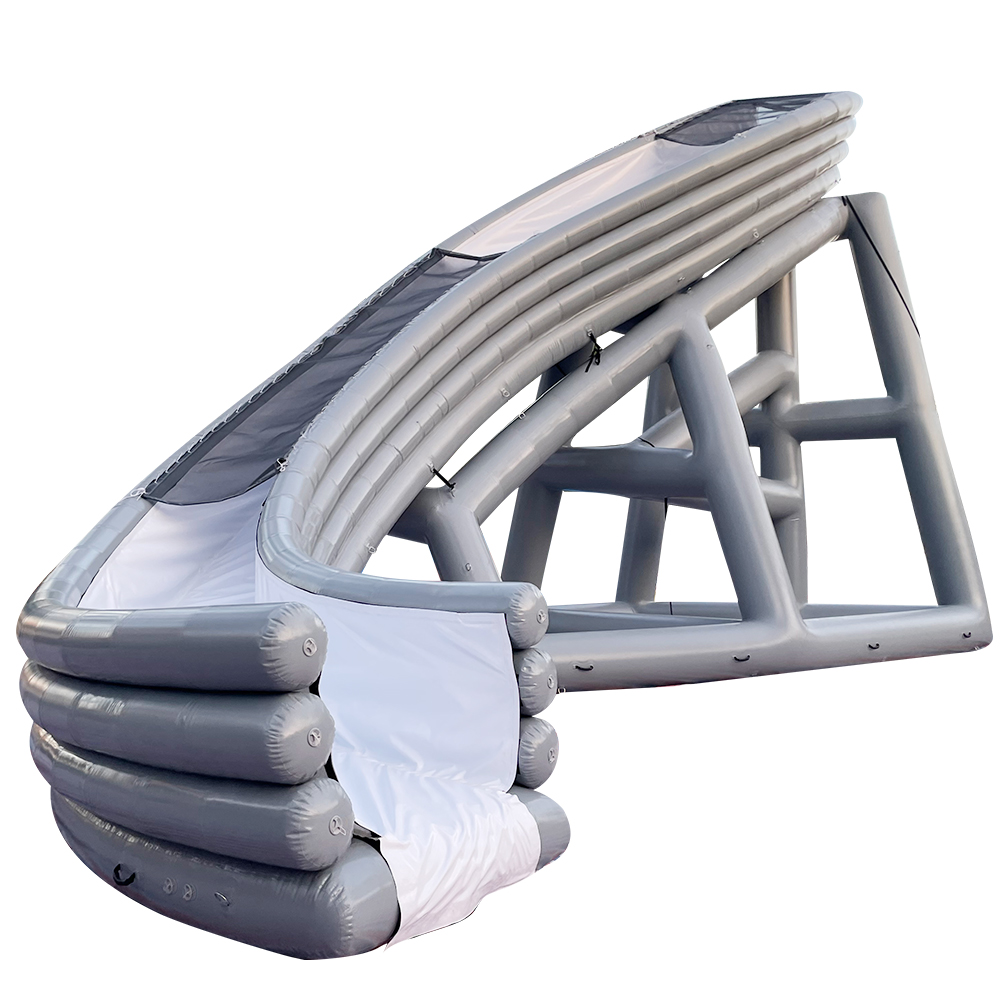
For yacht charter companies, superyacht managers and waterfront resorts, this decision should be tied to written acceptance criteria. Review the relevant floating dock and yacht toy island, record assumptions, assign an owner and confirm how the choice affects inflatable yacht slide, operating labor, guest flow and future expansion. Evidence at this stage is less expensive than correction after production or installation.
Build Operating and Maintenance Procedures
Create guest rules, staff positions, capacity control, weather checks, pre-use inspection and emergency response. Rinse saltwater as instructed, dry the slide fully, inspect high-load and contact areas, and record repairs. Crew training should cover inflation, attachment, pressure monitoring, guest briefing, recovery and packing. Local maritime, safety and insurance requirements must be checked for the intended operating area.
For yacht charter companies, superyacht managers and waterfront resorts, this decision should be tied to written acceptance criteria. Review the relevant after-sales support, record assumptions, assign an owner and confirm how the choice affects inflatable yacht slide, operating labor, guest flow and future expansion. Evidence at this stage is less expensive than correction after production or installation.
Decision Table
| Input | What to provide | Design impact |
|---|---|---|
| Deck | Height, footprint, obstructions | Slope, entry and support geometry |
| Attachment | Approved points and spacing | Straps, interfaces and loads |
| Guests | Age profile and experience | Lane, sides and operating rules |
| Operations | Crew, power and setup window | Inflation and handling plan |
| Storage | Available space and access path | Packed dimensions and folding |
| Brand | Colors, logos and artwork | Visual layout and print approval |
Commercial Planning Notes
A strong procurement process moves from requirements to evidence, then from evidence to a controlled decision. Keep the commercial proposal, drawings, product specifications, operating assumptions and responsibility matrix aligned. If one document changes, review the others. This discipline helps the owner match a slide to the vessel and operating program before production begins without creating gaps between sales, production and on-site operations.
Build the project in phases: feasibility, concept, specification, production, delivery, commissioning and review. Each phase should have a named approver and an exit condition. That structure does not slow a project; it prevents late surprises from consuming the opening schedule. It also creates a reliable record for training, maintenance, insurance discussions and future expansion.
Before signing a purchase order, run a final readiness review. Confirm the current drawing revision, dimensions, colors and artwork, product specification, included accessories, delivery basis, packed volume, schedule assumptions, site responsibilities, acceptance method, documentation, training and after-sales route. List exclusions explicitly. Where local permits, engineering, maritime rules, amusement regulations, insurance or safety standards apply, obtain advice from qualified professionals in the destination market and verify current requirements.
Use the download the product catalog to prepare initial options, review the frequently asked questions for common project questions and keep the after-sales support page available for post-delivery planning. These resources support the buying process, but the final solution must always be confirmed against the actual site, equipment and intended operation.
Frequently Asked Questions
Can a yacht slide be ordered from vessel length alone?
No. The designer needs deck height, footprint, obstructions, attachment information, photographs and intended operating conditions. Vessels of similar length can have very different interfaces.
How long does an inflatable yacht slide take to set up?
Setup time depends on size, inflation equipment, deck access, attachment process, crew and conditions. Ask for a product-specific procedure and test it with the operating team before guest use.
Can a yacht slide carry a custom logo?
Many commercial designs can use custom colors and branding. Artwork must be approved for size, placement, print method and viewing direction before production.
How should a slide be stored?
Follow the manufacturer’s cleaning, drying, folding and storage instructions. Allocate a dry, protected space that fits the verified packed size and allows safe movement to the deployment area.
Plan Your Project with ZR Inflatable
ZR Inflatable supports custom commercial inflatable projects for international buyers. To receive a relevant concept and quotation, send the project location, site dimensions, water or ground conditions, target users, expected capacity, preferred product types, branding requirements, destination and target opening date. contact the project team to begin a project discussion.
Important: This article provides general commercial planning information. It does not replace product instructions, a site-specific risk assessment, local legal requirements, insurer conditions or professional engineering and safety advice.
