

Updated for 2026. OEM and ODM are often used as broad sales labels, but professional buyers need a clear process behind them. OEM may begin with a developed buyer design or specification, while ODM usually includes more supplier-led concept and development. In practice, responsibilities can overlap, so the contract and approval workflow matter more than the label.
This guide follows a custom commercial inflatable project from requirements through concept, engineering, production, quality control, shipping, installation and after-sales support. It highlights the decisions that should be documented at each stage.
Create a Complete Design Brief
Define the business objective, target users, capacity, environment, footprint, theme, brand rules, budget framework, destination and opening date. Include reference images to communicate style, but identify which elements are mandatory and which are inspiration. For site-based equipment, provide dimensions, photographs and conditions. State expected deliverables and decision-makers. A signed brief reduces redesign and gives the manufacturer a reliable basis for questions.
For brands, distributors and project developers commissioning custom inflatables, this decision should be tied to written acceptance criteria. Review the relevant contact the project team, record assumptions, assign an owner and confirm how the choice affects inflatable OEM manufacturer, operating labor, guest flow and future expansion. Evidence at this stage is less expensive than correction after production or installation.
Develop the Concept and 3D Direction
The concept stage translates requirements into layout, appearance and guest experience. Review scale, circulation, focal features, colors, logos and interfaces—not only the attractiveness of a rendering. Create an issue list for unresolved assumptions. Approve one controlled version before detailed production work. If future modules or private-label variants are planned, discuss compatibility and ownership of design assets at this stage.
For brands, distributors and project developers commissioning custom inflatables, this decision should be tied to written acceptance criteria. Review the relevant ZR Inflatable manufacturing capabilities, record assumptions, assign an owner and confirm how the choice affects inflatable OEM manufacturer, operating labor, guest flow and future expansion. Evidence at this stage is less expensive than correction after production or installation.
Convert the Concept into Production Information
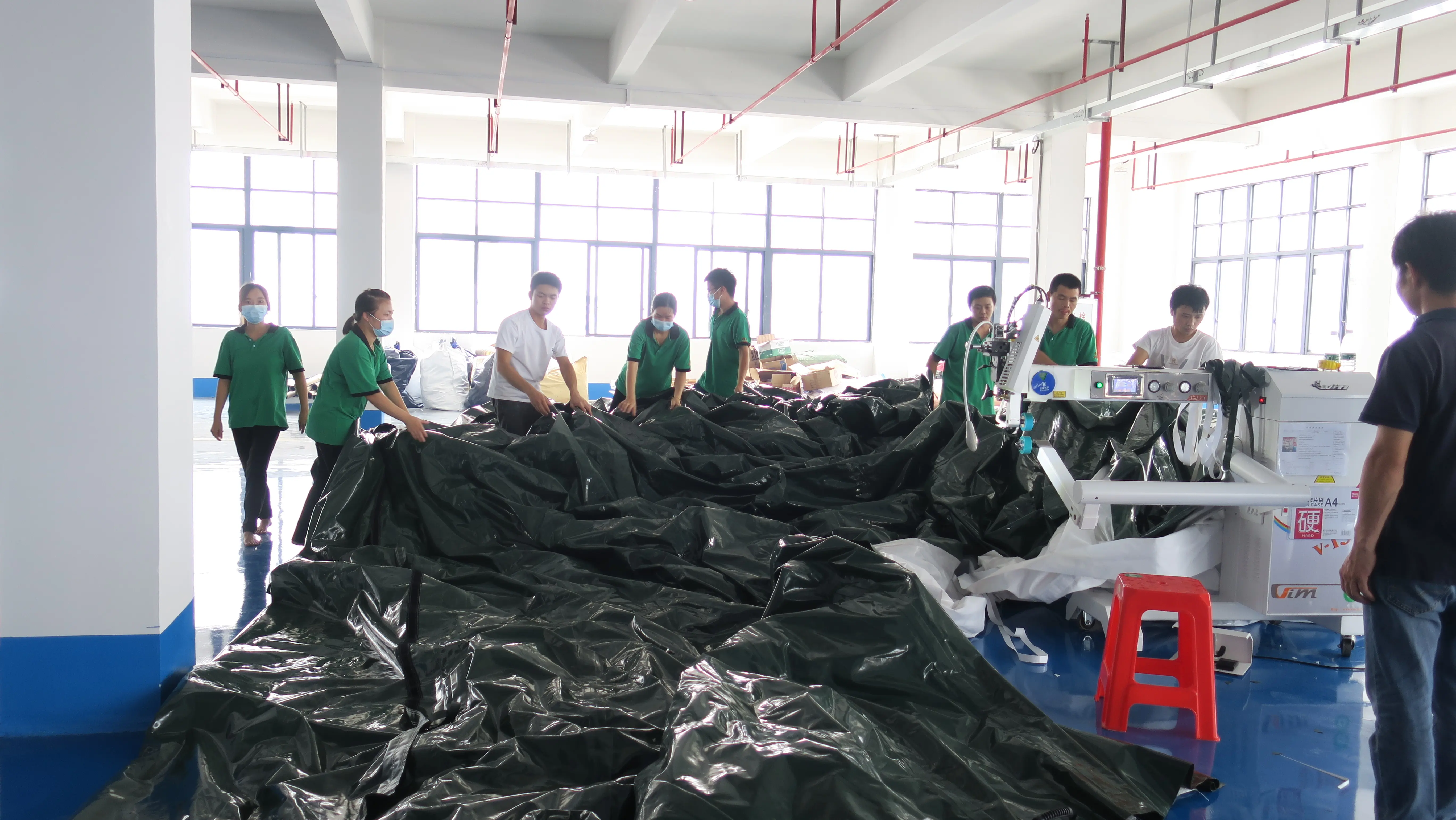
Engineering and production teams need dimensions, component definitions, material systems, reinforcement, valves, fittings, printing files and assembly logic. Confirm how site loads or special interfaces will be addressed and which local professionals must validate the final installation. Establish tolerances and acceptable substitutions. The buyer should approve specifications and drawings that can be inspected, not rely exclusively on the original visual concept.
For brands, distributors and project developers commissioning custom inflatables, this decision should be tied to written acceptance criteria. Review the relevant commercial inflatable product range, record assumptions, assign an owner and confirm how the choice affects inflatable OEM manufacturer, operating labor, guest flow and future expansion. Evidence at this stage is less expensive than correction after production or installation.
Manage Production and Quality Checkpoints
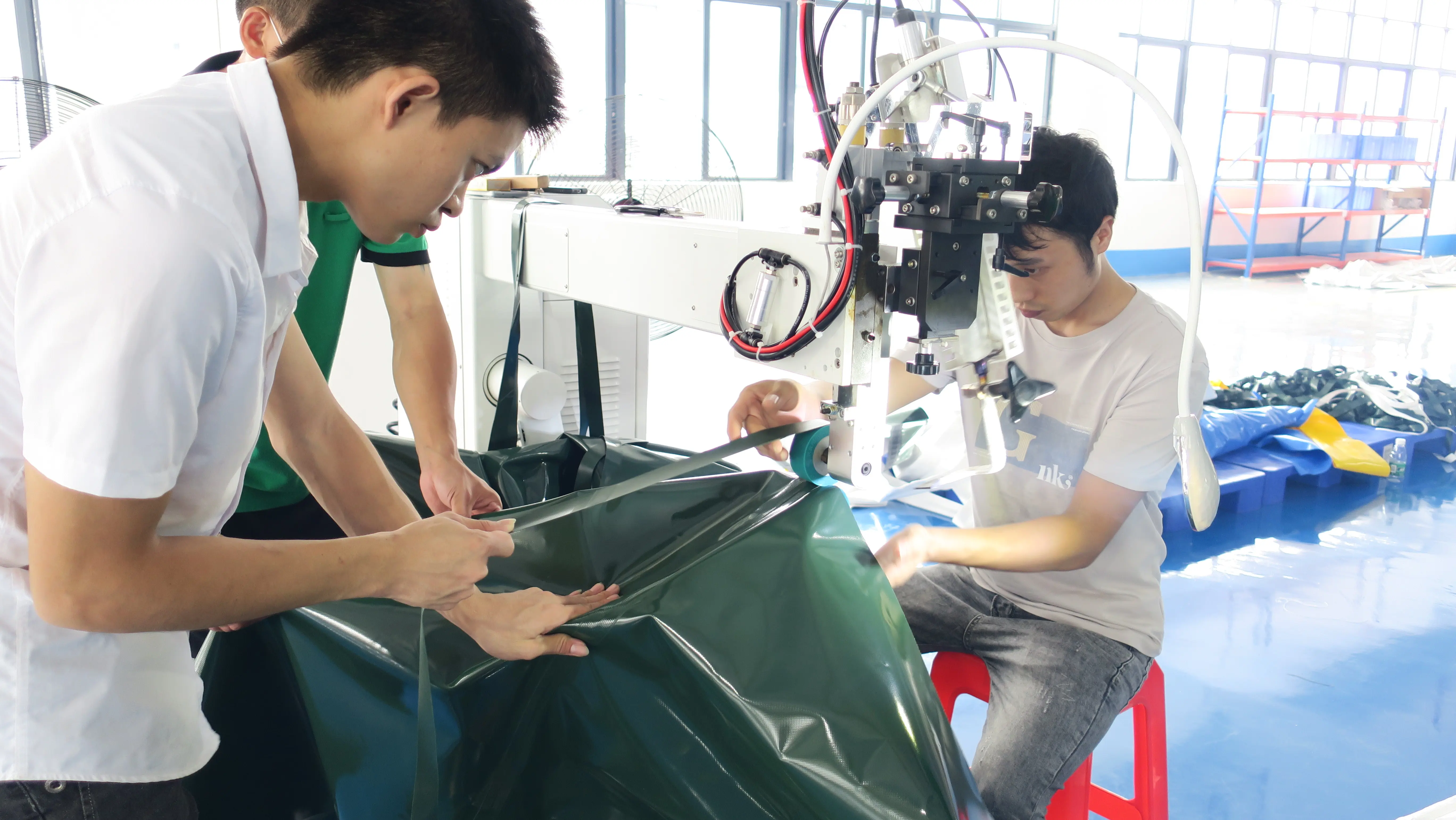
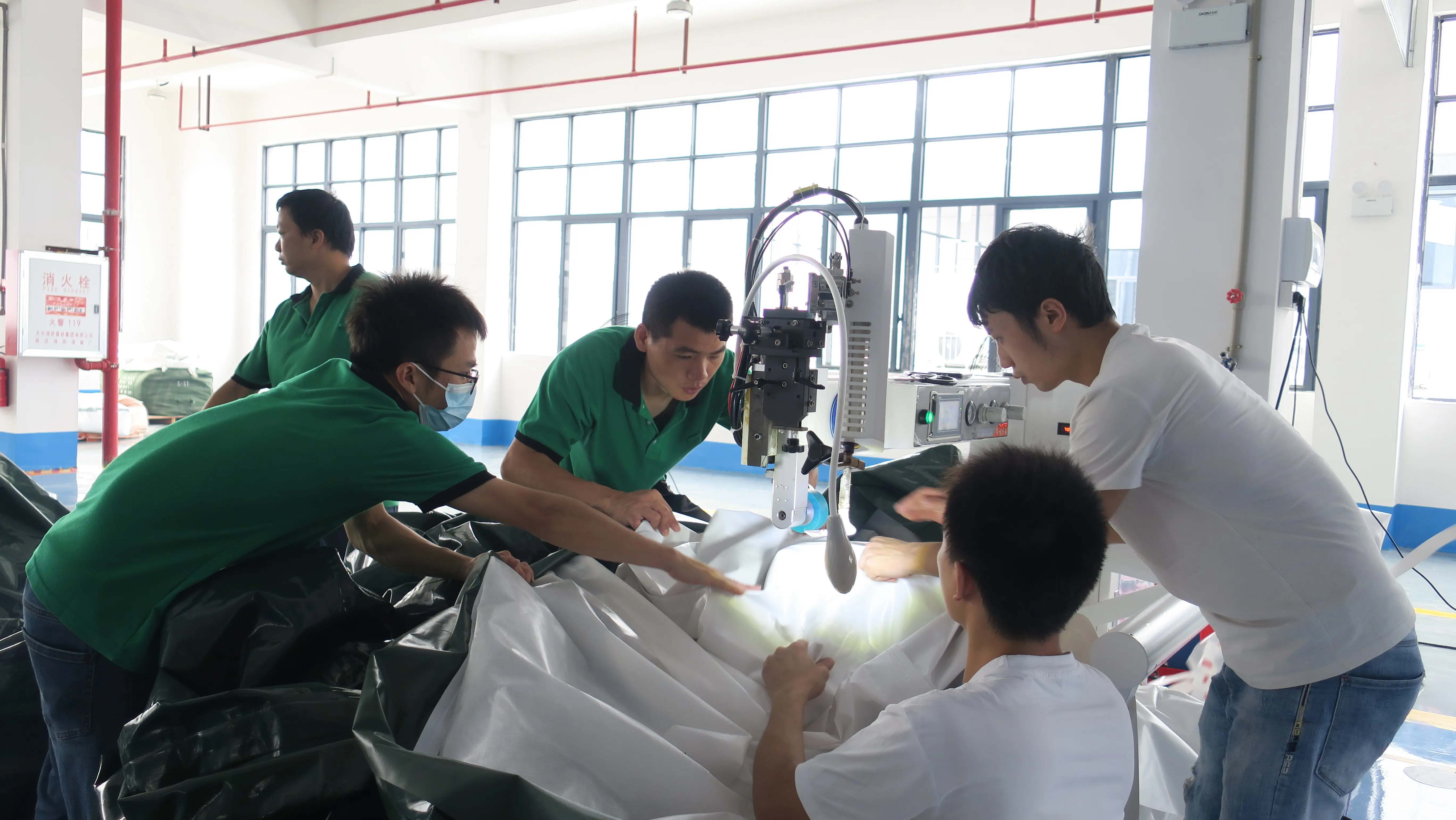
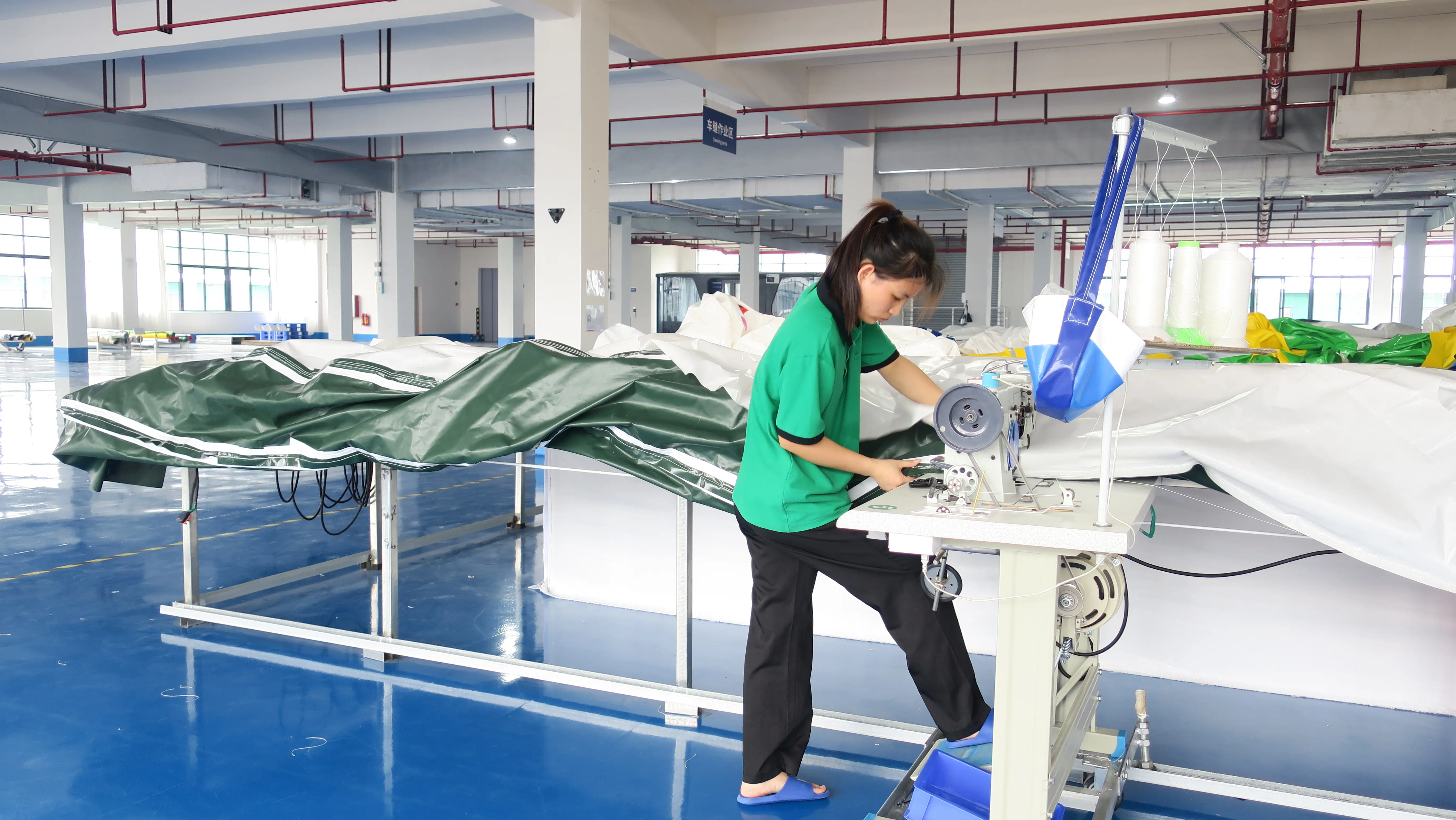
Agree on milestones such as material confirmation, cutting or printing review, assembly progress, inflation test and final acceptance. Photos and video are useful when tied to the approved item list. Define how nonconformities are recorded and corrected. For a large custom project, consider independent inspection. Changes after production begins should follow a written process covering cost, timing and drawing revision.
For brands, distributors and project developers commissioning custom inflatables, this decision should be tied to written acceptance criteria. Review the relevant commercial inflatable water parks, record assumptions, assign an owner and confirm how the choice affects inflatable OEM manufacturer, operating labor, guest flow and future expansion. Evidence at this stage is less expensive than correction after production or installation.
Plan Packing, Freight and Installation
Packing labels should connect each item to the layout and packing list. Confirm volume, weight, Incoterm, transport route, customs documentation and site delivery responsibilities. The installation plan should identify site preparation, utilities, tools, anchors or supports, crew, supervision and training. Sequence testing and handover before the public opening. Remote guidance can be effective only when site roles and communication are prepared.
For brands, distributors and project developers commissioning custom inflatables, this decision should be tied to written acceptance criteria. Review the relevant after-sales support, record assumptions, assign an owner and confirm how the choice affects inflatable OEM manufacturer, operating labor, guest flow and future expansion. Evidence at this stage is less expensive than correction after production or installation.
Close the Loop with Handover and Support
Collect final drawings, manuals, inspection information, packing lists, repair guidance and spare-part references. Train the operating team and record the approved installation. Establish the support contact, required diagnostic evidence and escalation path. After the first operating period, hold a review covering guest flow, maintenance findings and potential design improvements. This feedback supports future OEM or ODM iterations.
For brands, distributors and project developers commissioning custom inflatables, this decision should be tied to written acceptance criteria. Review the relevant download the product catalog, record assumptions, assign an owner and confirm how the choice affects inflatable OEM manufacturer, operating labor, guest flow and future expansion. Evidence at this stage is less expensive than correction after production or installation.
Decision Table
| Stage | Buyer approval | Key output |
|---|---|---|
| Brief | Objectives, users, site and scope | Signed requirements |
| Concept | Layout, theme and circulation | Approved visual direction |
| Specification | Dimensions, materials and interfaces | Production documents |
| Manufacturing | Milestones and acceptance method | Verified finished equipment |
| Delivery | Packing, freight and site roles | Installation-ready shipment |
| Handover | Training, files and support path | Operating documentation |
Commercial Planning Notes
A strong procurement process moves from requirements to evidence, then from evidence to a controlled decision. Keep the commercial proposal, drawings, product specifications, operating assumptions and responsibility matrix aligned. If one document changes, review the others. This discipline helps the owner control scope, approvals and risk from the first brief to site handover without creating gaps between sales, production and on-site operations.
Build the project in phases: feasibility, concept, specification, production, delivery, commissioning and review. Each phase should have a named approver and an exit condition. That structure does not slow a project; it prevents late surprises from consuming the opening schedule. It also creates a reliable record for training, maintenance, insurance discussions and future expansion.
Before signing a purchase order, run a final readiness review. Confirm the current drawing revision, dimensions, colors and artwork, product specification, included accessories, delivery basis, packed volume, schedule assumptions, site responsibilities, acceptance method, documentation, training and after-sales route. List exclusions explicitly. Where local permits, engineering, maritime rules, amusement regulations, insurance or safety standards apply, obtain advice from qualified professionals in the destination market and verify current requirements.
Use the download the product catalog to prepare initial options, review the frequently asked questions for common project questions and keep the after-sales support page available for post-delivery planning. These resources support the buying process, but the final solution must always be confirmed against the actual site, equipment and intended operation.
Frequently Asked Questions
What is the difference between OEM and ODM inflatables?
OEM generally emphasizes manufacture to buyer-controlled requirements, while ODM includes more supplier-led design development. Actual responsibilities vary, so define design ownership, approvals, specifications and change control in writing.
How many design revisions should be expected?
That depends on project complexity and contract scope. Agree on included revision rounds, review times and the point at which changes affect price or schedule before concept work begins.
When should production start?
Production should begin only after authorized stakeholders approve the controlled drawings, specification, colors, artwork, scope, commercial terms and schedule.
Who is responsible for installation?
Responsibility varies. The manufacturer may provide instructions, remote guidance or on-site supervision, while the buyer handles local preparation and labor. Use a responsibility matrix and obtain any required local professional approvals.
Plan Your Project with ZR Inflatable
ZR Inflatable supports custom commercial inflatable projects for international buyers. To receive a relevant concept and quotation, send the project location, site dimensions, water or ground conditions, target users, expected capacity, preferred product types, branding requirements, destination and target opening date. contact the project team to begin a project discussion.
Important: This article provides general commercial planning information. It does not replace product instructions, a site-specific risk assessment, local legal requirements, insurer conditions or professional engineering and safety advice.
