

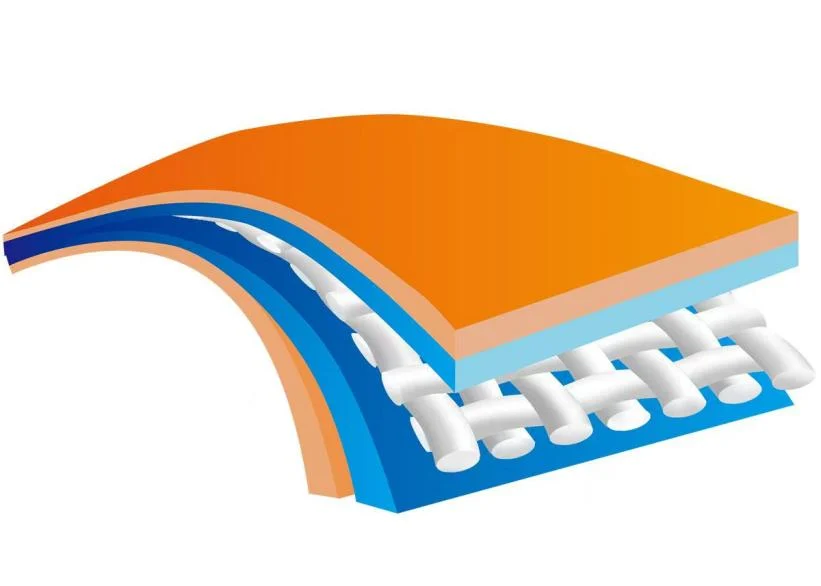
Updated for 2026. PVC tarpaulin and drop-stitch PVC are both widely used in commercial inflatables, yet they solve different structural problems. Tarpaulin can form flexible tubes, chambers and complex shapes. Drop-stitch uses thousands of internal threads to hold two surfaces at a controlled distance, creating a flatter and more rigid inflated panel.
The right choice depends on geometry, pressure system, load, portability, finish, repair method and operating environment. This comparison explains the practical differences and the questions buyers should put into a product-specific specification.
Understand the Structural Difference
PVC tarpaulin is a coated fabric that can be cut and joined into beams, walls, obstacles and sculpted forms. Its performance depends on the base fabric, coating, joining method and reinforcement design. Drop-stitch is a construction system rather than simply a surface sheet: internal yarns connect the top and bottom skins, allowing a panel to remain comparatively flat under pressure. These structural differences influence shape, stiffness and manufacturing.
For commercial buyers comparing construction systems, this decision should be tied to written acceptance criteria. Review the relevant commercial inflatable product range, record assumptions, assign an owner and confirm how the choice affects commercial inflatable materials, operating labor, guest flow and future expansion. Evidence at this stage is less expensive than correction after production or installation.
Compare Rigidity and Geometry
Drop-stitch is useful where a firm deck, platform, mat or dock-like surface is desired. Tarpaulin chambers are efficient for rounded tubes, high-volume forms, slides and obstacles. Many commercial products combine construction approaches because different zones have different functions. Buyers should ask why a system was selected for each component and review expected deflection, support and connection details rather than choosing from material names alone.
For commercial buyers comparing construction systems, this decision should be tied to written acceptance criteria. Review the relevant dock and yacht toy islands, record assumptions, assign an owner and confirm how the choice affects commercial inflatable materials, operating labor, guest flow and future expansion. Evidence at this stage is less expensive than correction after production or installation.
Consider Inflation and Operating Pressure
The pressure range, valve type and inflation equipment must match the approved product design. Airtight products and continuous-air products have different operating practices. Higher pressure is not automatically better; it changes loads, hardware and safety considerations. Obtain written instructions for inflation, pressure checking, relief features and shutdown. Staff should use suitable gauges and equipment rather than estimating firmness by touch.
For commercial buyers comparing construction systems, this decision should be tied to written acceptance criteria. Review the relevant mesh floating pool collection, record assumptions, assign an owner and confirm how the choice affects commercial inflatable materials, operating labor, guest flow and future expansion. Evidence at this stage is less expensive than correction after production or installation.
Assess Environment and Use Pattern
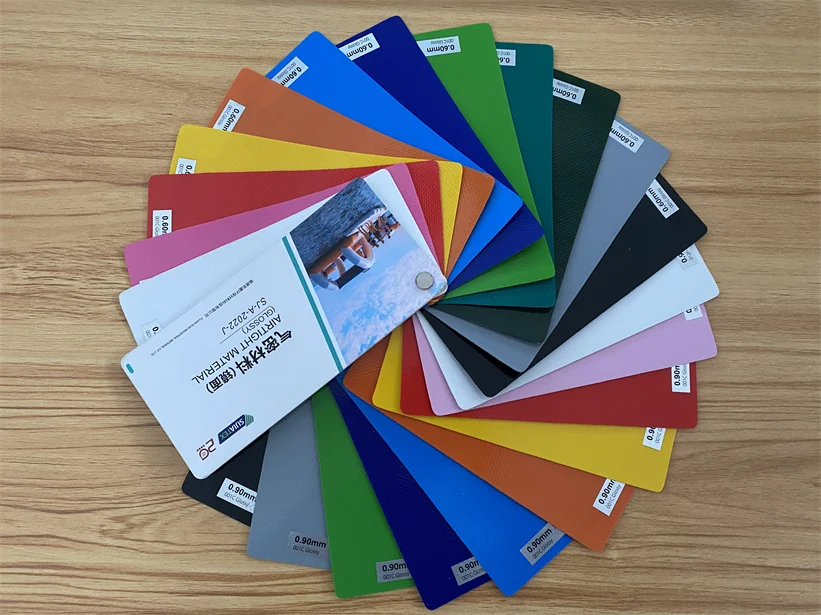
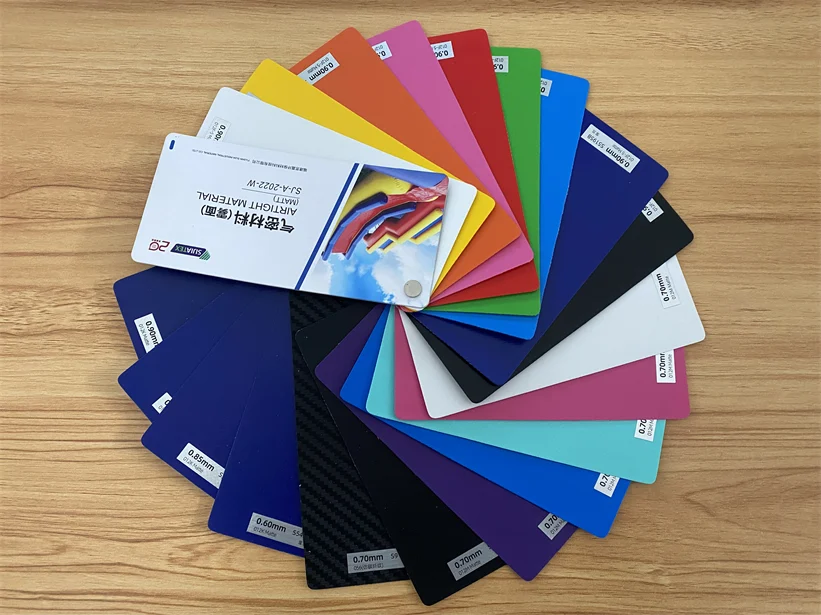
UV exposure, heat, cold, saltwater, abrasion, chemicals and storage conditions affect commercial inflatables. Ask how the selected coating, color, printing and hardware suit the location. Rinse products used in saltwater when instructed, dry thoroughly before storage and protect them from sharp surfaces. A material that performs well in one environment may need a different maintenance schedule in another.
For commercial buyers comparing construction systems, this decision should be tied to written acceptance criteria. Review the relevant inflatable yacht slide collection, record assumptions, assign an owner and confirm how the choice affects commercial inflatable materials, operating labor, guest flow and future expansion. Evidence at this stage is less expensive than correction after production or installation.
Plan Inspection and Repair
Tarpaulin chambers and drop-stitch panels may require different leak detection, access and repair techniques. Request the approved repair materials, surface preparation, curing conditions and limits for field repair. Damage near a seam, valve, connector or heavily loaded area may require technical review. Record repairs and inspect the surrounding structure before returning a commercial product to service.
For commercial buyers comparing construction systems, this decision should be tied to written acceptance criteria. Review the relevant after-sales support, record assumptions, assign an owner and confirm how the choice affects commercial inflatable materials, operating labor, guest flow and future expansion. Evidence at this stage is less expensive than correction after production or installation.
Write a Useful Purchase Specification
Define the product, use environment, load case, inflation system, surface finish, reinforcement, valves, fittings, printing and included repair kit. Ask the manufacturer to identify the construction used in each major component. Where testing or certification is required, verify current documents for the exact product and market. The specification should be part of the approved order, not a promise left in a chat thread.
For commercial buyers comparing construction systems, this decision should be tied to written acceptance criteria. Review the relevant contact the project team, record assumptions, assign an owner and confirm how the choice affects commercial inflatable materials, operating labor, guest flow and future expansion. Evidence at this stage is less expensive than correction after production or installation.

Decision Table
| Characteristic | PVC tarpaulin chambers | Drop-stitch panels |
|---|---|---|
| Typical form | Tubes, walls, slides, shaped obstacles | Flat decks, mats and rigid platforms |
| Structure | Coated fabric formed into chambers | Two skins connected by internal threads |
| Rigidity | Shape-dependent and flexible | Comparatively flat and firm |
| Inflation | Design-specific system and pressure | Usually airtight, design-specific pressure |
| Repair | Patch or component-specific procedure | Panel- and damage-specific procedure |
| Selection | Best for complex volumetric geometry | Best where planar stiffness is needed |
Commercial Planning Notes
Commercial value should be measured over the operating cycle. Consider utilization, labor, transport or site preparation, maintenance, storage, downtime and the ability to adapt the attraction to changing demand. A headline price or visual rendering cannot answer these questions. Use a scorecard with weighted criteria and require the evaluation team to explain important differences.
The final decision should be understandable to operations as well as procurement. Invite the people responsible for setup, supervision, cleaning, repairs and guest service into the review before approval. Their questions often reveal missing accessories, unrealistic timings or layout constraints while they are still easy to address.
Before signing a purchase order, run a final readiness review. Confirm the current drawing revision, dimensions, colors and artwork, product specification, included accessories, delivery basis, packed volume, schedule assumptions, site responsibilities, acceptance method, documentation, training and after-sales route. List exclusions explicitly. Where local permits, engineering, maritime rules, amusement regulations, insurance or safety standards apply, obtain advice from qualified professionals in the destination market and verify current requirements.
Use the download the product catalog to prepare initial options, review the frequently asked questions for common project questions and keep the after-sales support page available for post-delivery planning. These resources support the buying process, but the final solution must always be confirmed against the actual site, equipment and intended operation.
Frequently Asked Questions
Is drop-stitch always stronger than PVC tarpaulin?
That comparison is incomplete. Strength and fitness depend on the complete construction, material grade, reinforcement, seams, pressure and load. The systems are designed for different geometries.
Can one product use both materials?
Yes. A floating system may use drop-stitch decks with tarpaulin tubes or shaped features. Interfaces and connectors must be designed for the combined structure.
Which material is easier to repair?
Repairability depends on damage location and construction. Small accessible surface damage may be field-repairable, while seam, valve or structural damage can require specialist guidance. Follow product-specific instructions.
What documents should a buyer request?
Ask for a component-level material specification, inflation and pressure instructions, inspection points, cleaning and storage guidance, repair procedure and included spares or repair materials.
Plan Your Project with ZR Inflatable
ZR Inflatable supports custom commercial inflatable projects for international buyers. To receive a relevant concept and quotation, send the project location, site dimensions, water or ground conditions, target users, expected capacity, preferred product types, branding requirements, destination and target opening date. contact the project team to begin a project discussion.
Important: This article provides general commercial planning information. It does not replace product instructions, a site-specific risk assessment, local legal requirements, insurer conditions or professional engineering and safety advice.
