

The Appeal of Inflatable Water Parks
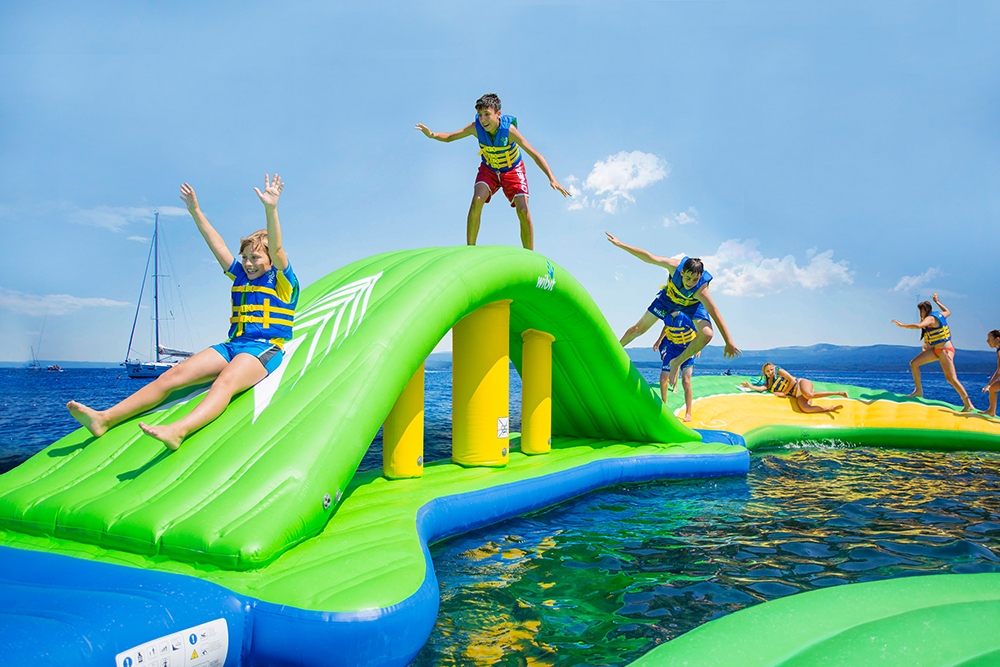
Inflatable water parks have become a popular attraction, offering a blend of excitement and safety. These vibrant structures transform ordinary bodies of water into thrilling adventure zones, captivating both children and adults. The appeal lies in their ability to provide endless hours of fun while ensuring a secure environment for play.
Purpose of the Guide
This comprehensive guide aims to explore the costs associated with inflatable water parks. Whether you’re considering purchasing or renting, this guide will provide insights into the factors influencing the cost, a detailed cost breakdown, and tips for managing expenses. Dive in to understand the financial aspects of owning or renting an inflatable water park.
Factors Influencing the Cost of an Inflatable Water Park
Size and Complexity
The size and complexity of an inflatable water park significantly influence its cost. Larger parks with intricate designs and multiple attractions, such as slides, obstacle courses, and floating islands, will naturally command a higher price. The scale of the park also affects installation, maintenance, and storage costs. Opting for a modular design that can be expanded or rearranged can provide flexibility and potentially reduce long-term expenses.
Material Quality and Durability
The quality and durability of the materials used in constructing an inflatable water park play a crucial role in determining its cost. High-quality materials, such as commercial-grade PVC and reinforced vinyl, are more expensive but offer greater longevity and safety. These materials are designed to withstand constant use, UV exposure, and water immersion, ensuring that the park remains in optimal condition for extended periods. Investing in superior materials can save on maintenance and replacement costs in the long run.
Safety Features and Certifications
Safety features and certifications are essential considerations that can impact the cost of an inflatable water park. Features such as non-slip surfaces, secure anchoring systems, and emergency exit points are standard in modern inflatables. Adherence to industry standards and certifications from recognized safety organizations ensures that the park meets stringent safety guidelines. While these features may increase the initial cost, they provide invaluable peace of mind and reduce the risk of accidents and liabilities.
Customization and Branding Options
Customization and branding options can significantly influence the cost of an inflatable water park. Tailoring the park to specific themes, colors, or branding elements can enhance its appeal and uniqueness. Custom designs, however, often come at a premium. The extent of customization, including themed attractions, logo integration, and specialized accessories, will affect the overall cost. Balancing the desire for a unique park with budget constraints is essential when considering customization options.
Cost Breakdown of an Inflatable Water Park
Purchase Price
The purchase price of an inflatable water park is the most significant expense. This cost varies widely depending on the size, complexity, material quality, and customization options chosen. Small-scale parks with basic features can start at a few thousand dollars, while large-scale, custom-designed parks can cost tens of thousands. Negotiating with manufacturers, exploring financing options, and considering used or refurbished equipment can help manage the purchase price.
Installation and Setup Costs
Installation and setup costs are additional expenses to consider when acquiring an inflatable water park. These costs include delivery, site preparation, assembly, and initial safety inspections. The complexity of the park and the location of the installation can impact these costs. Hiring professional installers ensures that the park is set up correctly and safely, but it also adds to the overall expense. Factoring in installation and setup costs is crucial for accurate budgeting.
Maintenance and Upkeep Expenses
Maintenance and upkeep expenses are ongoing costs associated with owning an inflatable water park. Regular inspections, repairs, and replacements are necessary to keep the park in optimal condition. Factors such as frequency of use, climate, and storage conditions can affect maintenance costs. Investing in high-quality materials and adhering to a rigorous maintenance schedule can help minimize these expenses. Additionally, training staff on proper maintenance procedures and having a contingency plan for unexpected repairs can further manage costs.
Additional Amenities and Accessories
Additional amenities and accessories can enhance the appeal and functionality of an inflatable water park but also add to the overall cost. These may include water cannons, climbing walls, trampolines, and interactive play structures. Accessories such as life jackets, safety signage, and storage solutions are also essential considerations. Evaluating the necessity and value of these add-ons is crucial for balancing the budget and maximizing the park’s attractiveness.
Renting vs. Buying an Inflatable Water Park
Benefits of Renting
Renting an inflatable water park offers several benefits, particularly for short-term or one-time events. Renting eliminates the need for long-term storage, maintenance, and upkeep costs. It also provides flexibility in choosing different park designs and sizes for various events. Rental companies typically handle delivery, setup, and takedown, offering a hassle-free experience. Additionally, renting allows for trying out different parks before committing to a purchase.
Advantages of Buying
Buying an inflatable water park has its advantages, especially for long-term use or frequent events. Owning a park provides the freedom to customize and brand the attractions according to specific needs and preferences. It also offers the potential for generating revenue through ticket sales, rentals, or partnerships. While the initial investment is higher, the long-term costs can be more manageable, particularly with proper maintenance and care.
Cost Comparison
Comparing the costs of renting versus buying an inflatable water park involves evaluating several factors. Renting may have lower upfront costs but can become expensive with frequent or long-term use. Buying requires a higher initial investment but can be more cost-effective over time, especially with proper maintenance and revenue generation. Conducting a cost-benefit analysis that considers factors such as frequency of use, budget, and long-term goals can help determine the most financially viable option.
Case Studies: Real-World Examples
Small-Scale Inflatable Water Parks
Small-scale inflatable water parks are ideal for local events, birthday parties, or community gatherings. These parks typically feature basic attractions such as slides, obstacle courses, and floating islands. The cost for a small-scale park can range from a few thousand to around ten thousand dollars, depending on the features and quality. For example, a local community center rented a small inflatable water park for a weekend event, spending approximately $5,000 on rental and setup costs, providing a memorable experience for attendees.
Medium-Sized Commercial Parks
Medium-sized commercial inflatable water parks cater to larger events, such as corporate outings, school functions, or public fairs. These parks offer a wider range of attractions and can accommodate more visitors. The cost for a medium-sized park can range from ten thousand to thirty thousand dollars, depending on the complexity and customization. A corporate event organizer invested in a medium-sized inflatable water park for an annual team-building retreat, spending around $20,000 on purchase and installation, enhancing employee engagement and morale.
Large-Scale Custom Installations
Large-scale custom installations are designed for permanent attractions, such as theme parks, resorts, or waterfront developments. These parks feature extensive attractions, themed designs, and advanced safety features. The cost for a large-scale custom installation can range from fifty thousand to several hundred thousand dollars, depending on the scope and specifications. A waterfront resort developed a large-scale inflatable water park as a signature attraction, investing over $200,000 in design, installation, and maintenance, drawing in visitors and generating significant revenue.
Tips for Managing Costs
Negotiating Prices
Negotiating prices with manufacturers or rental companies can help manage the costs of an inflatable water park. Researching market rates, comparing quotes from multiple suppliers, and leveraging long-term contracts or bulk purchases can provide negotiating power. Building a strong relationship with suppliers and being open to flexible payment terms can also lead to better deals.
Seasonal Discounts and Promotions
Taking advantage of seasonal discounts and promotions can significantly reduce the costs of an inflatable water park. Many suppliers offer off-season discounts, early bird promotions, or bundle deals. Planning purchases or rentals during these periods can result in substantial savings. Staying informed about industry trends, attending trade shows, and subscribing to supplier newsletters can help identify these opportunities.
Long-Term Investment Strategies
Adopting long-term investment strategies can help manage the costs of owning an inflatable water park. Investing in high-quality materials, adhering to a rigorous maintenance schedule, and exploring revenue-generating opportunities can offset initial expenses. Partnering with local businesses, offering sponsorship opportunities, and hosting special events can also contribute to long-term financial sustainability.
Conclusion
Recap of Key Factors
In conclusion, the cost of an inflatable water park is influenced by various factors, including size, material quality, safety features, and customization options. Understanding the cost breakdown, comparing renting versus buying, and learning from real-world examples can help manage expenses effectively.
Final Thoughts on Cost Management
Managing the costs of an inflatable water park involves careful planning, negotiation, and strategic investment. By considering the factors outlined in this guide, you can make informed decisions that balance budget constraints with the desire for a thrilling and safe water park experience. Embrace the excitement of inflatable water parks and plan your investment with confidence, ensuring a memorable and enjoyable experience for all.
